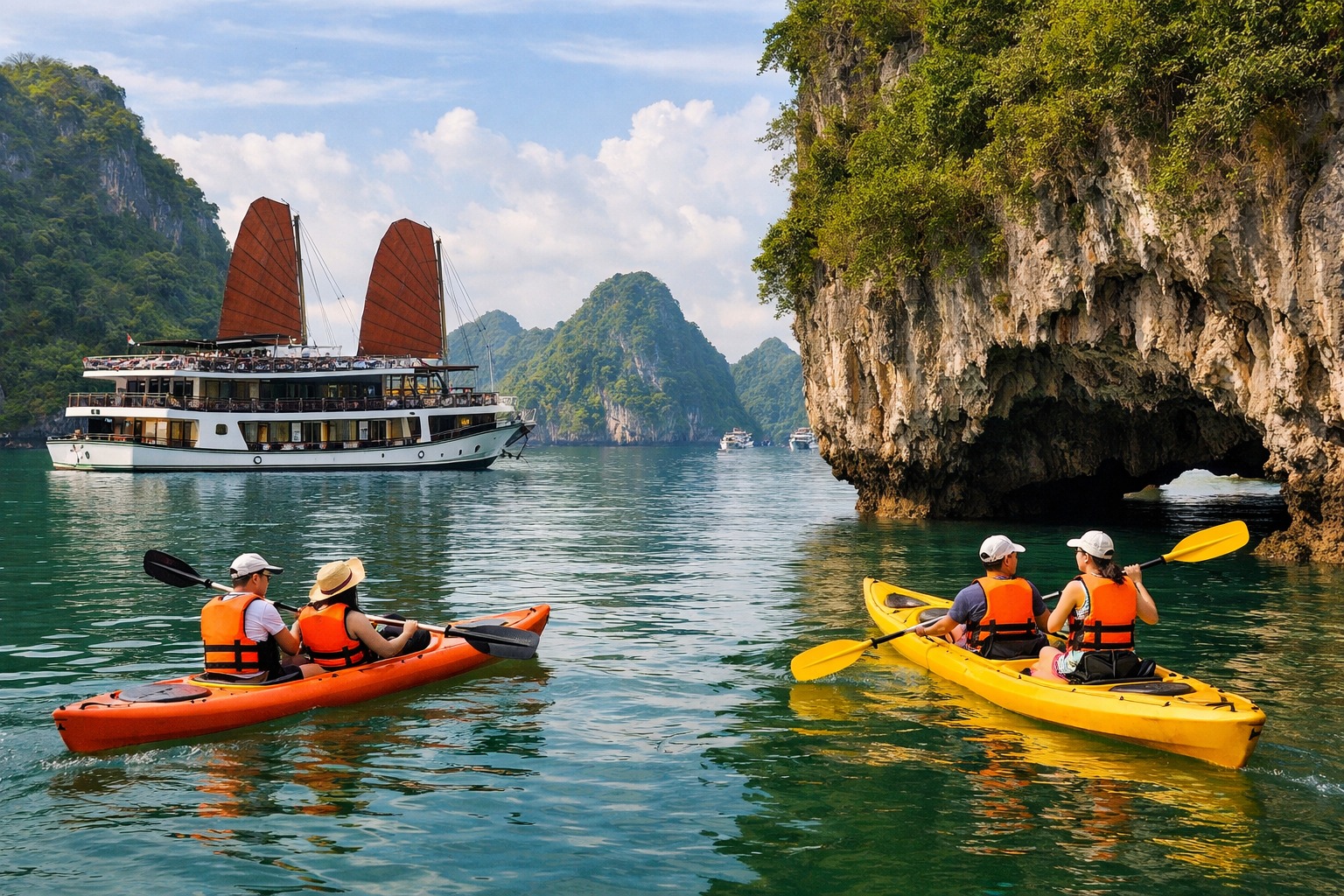
The 2027 Vietnam Travel Guide for First-Time Visitors
Vietnam has long been one of Southeast Asia’s most rewarding destinations for first-time travelers. From the atmospheric streets of Hanoi and the historic charm of Hoi An to the spectacular limestone landscapes of Halong Bay, the country offers an impressive combination of culture, cuisine, nature, and adventure.
But Vietnam travel in 2027 is likely to feel noticeably different from previous years.
Travelers are becoming more selective about how they spend their time. Instead of simply following traditional tourist routes, many visitors are looking for more personalized itineraries, authentic local experiences, comfortable transportation, and destinations where they can slow down and explore.
If you are planning your first trip to Vietnam in 2027, understanding these changes can help you build a smarter itinerary.
1. Vietnam Will Be More Personalized for First-Time Visitors
One of the biggest changes travelers can expect in 2027 is greater personalization.
Instead of choosing a standard itinerary covering Hanoi, Halong Bay, Hoi An, and Ho Chi Minh City without much flexibility, travelers will increasingly design trips around their individual interests.
For example:
This shift means that first-time visitors should think about how they want to experience Vietnam, rather than simply asking which places they should visit.
2. Hanoi Will Become More Than Just a Starting Point
For many international visitors, Hanoi is traditionally the gateway to northern Vietnam.
In 2027, however, travelers are likely to spend more time discovering the capital itself.
The Old Quarter remains an essential stop, but visitors can also explore local markets, contemporary cafés, street-food neighborhoods, museums, cultural attractions, and quieter areas away from the busiest tourist streets.
A good first-time itinerary should therefore allow at least two or three days in Hanoi before continuing to other destinations.
This also gives travelers more flexibility when connecting with a Halong Bay or Lan Ha Bay cruise.
3. Halong Bay and Lan Ha Bay Will Continue to Be Essential
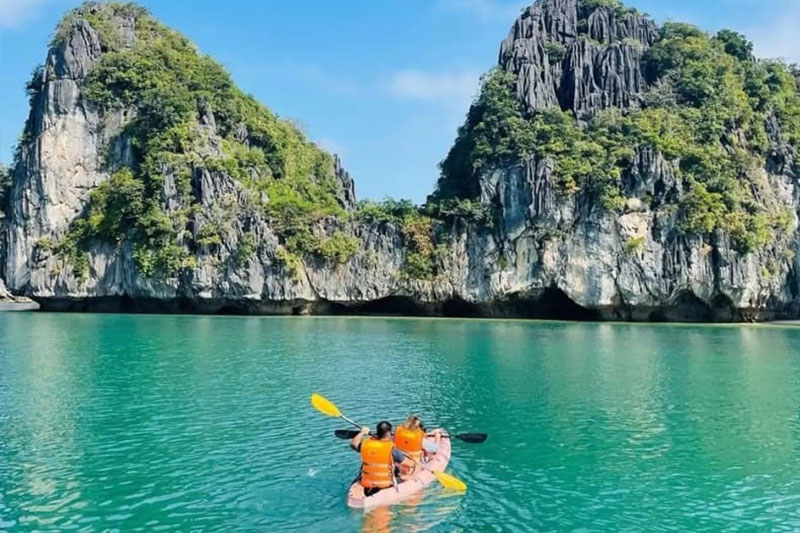
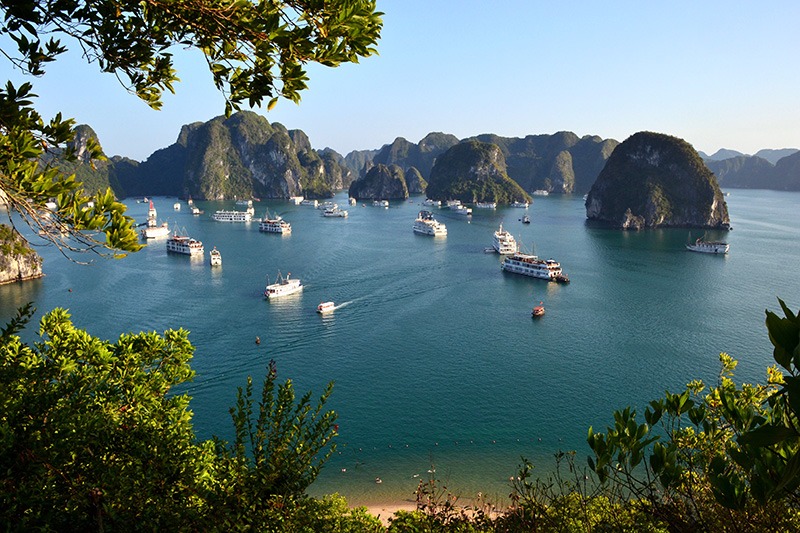
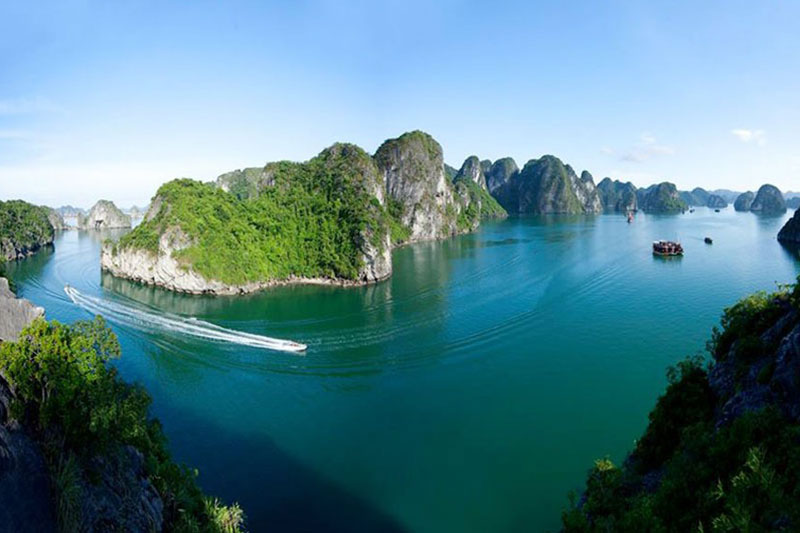
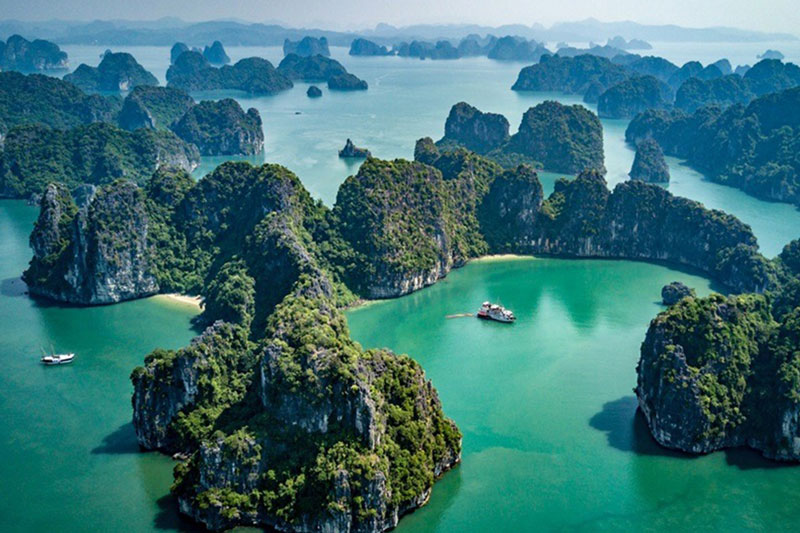
No first-time Vietnam travel guide would be complete without northern Vietnam’s famous limestone seascapes.
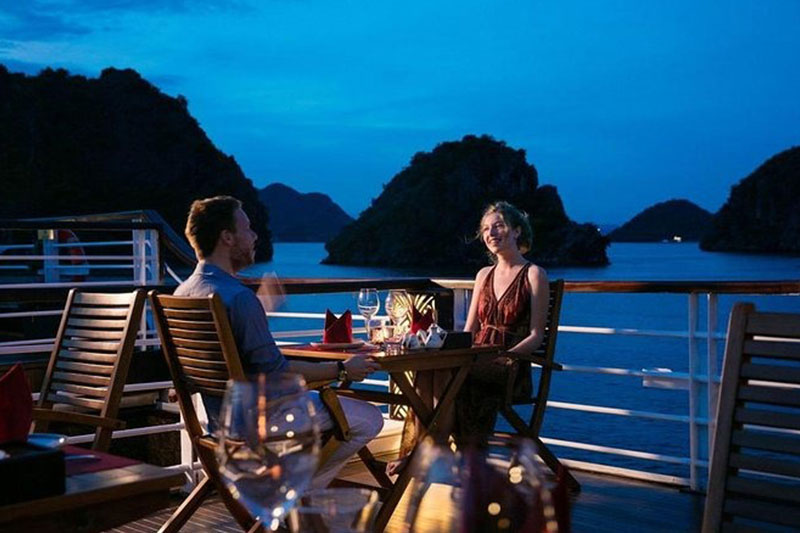
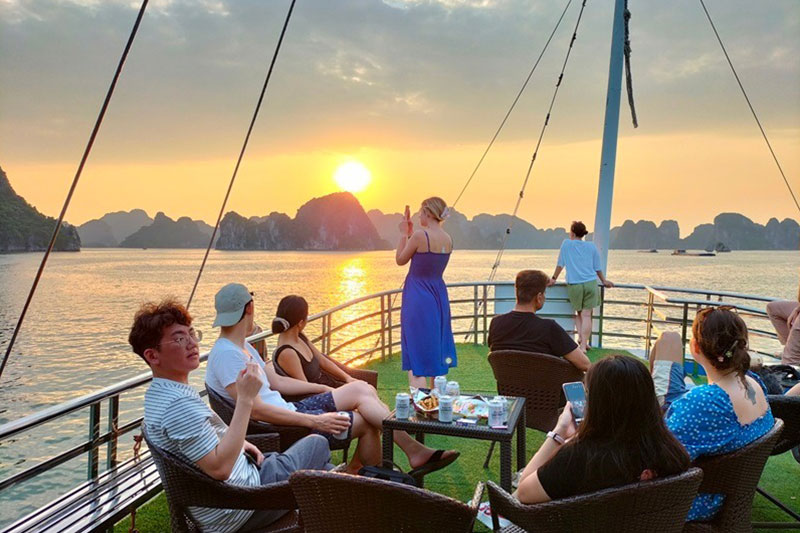
For travelers visiting Vietnam for the first time, an overnight cruise provides something that a short sightseeing excursion cannot: the opportunity to experience the bay after the day-trip crowds have departed.
A quality cruise can combine:
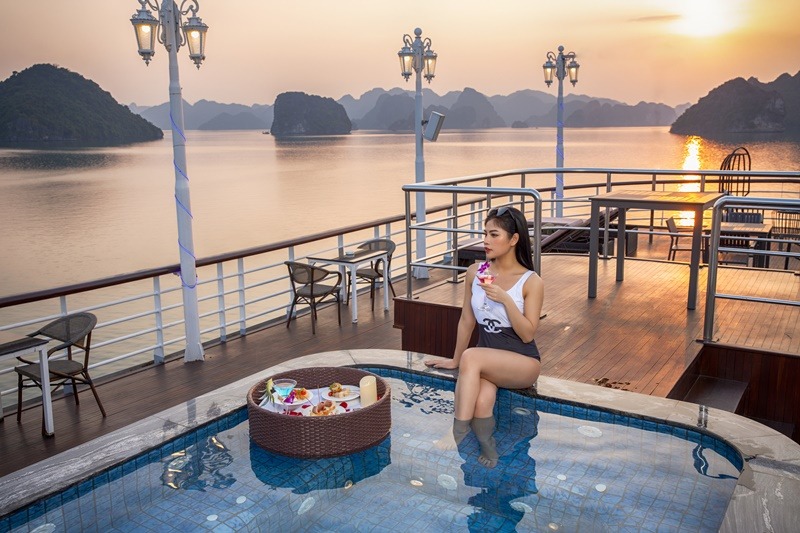
Among the options travelers may consider is Jade Sails Halong, particularly for visitors interested in experiencing the spectacular scenery of Halong Bay and its surrounding waters in a comfortable cruise environment.
The important point for first-time visitors is to look beyond the cruise name and compare the itinerary, cabin category, activities, transfer arrangements, dining concept, and sailing area before booking.
4. Travelers Will Look Beyond the Most Famous Destinations
Vietnam’s most famous destinations will remain popular, but 2027 travelers are likely to show increasing interest in less crowded alternatives.
Instead of spending an entire trip in the country’s busiest tourist centers, visitors may combine famous attractions with emerging destinations.
Potential additions include:
This approach offers a better balance between iconic attractions and authentic experiences.
For first-time visitors, however, it is still important not to overload the itinerary. Vietnam is geographically long, and moving between destinations can take considerably more time than expected.
5. Slow Travel Will Become More Important
The idea of slow travel is likely to become increasingly influential in Vietnam in 2027.
Instead of attempting to visit six or seven destinations in a single trip, travelers may prefer spending three or four nights in one location.
This creates opportunities to:
For first-time visitors, slow travel can also make the trip more enjoyable because Vietnam has many small details that are easy to miss when moving constantly between destinations.
6. Sustainable Travel Will Matter More
Sustainability will increasingly influence travel decisions in Vietnam.
Visitors are becoming more aware of plastic waste, environmental protection, local communities, and the impact of tourism on natural landscapes.
This is particularly relevant to sensitive marine environments such as Halong Bay and Lan Ha Bay.
When choosing a cruise, travelers should consider operators that demonstrate responsible practices, including waste management, environmental awareness, and respect for local communities.
A memorable Vietnam holiday does not have to come at the expense of the destinations travelers have come to see.
7. Cruise Experiences Will Become More Than Sightseeing
The traditional concept of a Halong Bay cruise was largely about viewing limestone islands from the deck.
That is changing.
In 2027, cruise experiences are likely to focus increasingly on the complete onboard journey.
Travelers may expect a combination of:
Accommodation + dining + wellness + activities + culture + scenery
This means that choosing a cruise should involve more than comparing prices.
First-time visitors should consider:
These details can have a major impact on the overall experience.
8. Food Will Be a Major Reason to Visit Vietnam
Vietnamese cuisine is already internationally famous, but food tourism is expected to become even more important.
First-time visitors in 2027 should go beyond the familiar dishes.
Try regional specialties wherever you travel:
Food is also one of the easiest ways to understand Vietnam’s regional diversity.
A good itinerary should therefore leave room for spontaneous meals rather than relying exclusively on restaurants recommended by international travel guides.
9. Transportation Will Become Easier to Plan
Vietnam’s tourism infrastructure continues to evolve, making it easier for international visitors to combine different regions.
For first-time travelers, transportation planning remains important because distances can be deceptive.
A practical northern Vietnam itinerary might look like:
Hanoi → Ninh Binh → Halong Bay/Lan Ha Bay → Hanoi
Travelers with more time could then continue south toward central Vietnam.
Private transfers, organized shuttle services, domestic flights, trains, and cruise transfers can all be combined depending on the itinerary.
The key is to avoid scheduling too many major journeys on the same day.
10. Digital Travel Tools Will Play a Bigger Role
Technology will continue to influence how visitors experience Vietnam in 2027.
Travelers increasingly use smartphones for:
However, first-time visitors should still prepare some basic offline information.
Keep your hotel address, cruise booking details, emergency contacts, and transportation information accessible even if you temporarily lose mobile data.
11. Vietnam Will Offer More Luxury Without Losing Its Local Character
Vietnam’s tourism market is developing an increasingly sophisticated luxury segment.
Luxury travelers can now combine high-end accommodation with authentic cultural experiences rather than choosing between comfort and local immersion.
For example, a premium itinerary could include:
Hanoi boutique hotel → Ninh Binh private experience → Jade Sails Halong cruise → Hoi An luxury resort
The appeal is not simply five-star accommodation. Modern luxury travelers increasingly value privacy, personalization, distinctive experiences, and access to places that feel genuinely Vietnamese.
12. How Long Should First-Time Visitors Spend in Vietnam in 2027?
There is no single perfect length, but 10–14 days is a practical starting point for a first Vietnam trip.
7 Days
Suitable for travelers focusing on one region.
Example:
Hanoi → Ninh Binh → Halong Bay/Lan Ha Bay → Hanoi
10 Days
Allows a more balanced northern and central Vietnam experience.
Example:
Hanoi → Ninh Binh → Halong Bay → Hoi An → Da Nang
14 Days
Ideal for travelers wanting a broader introduction to Vietnam.
Example:
Hanoi → Ninh Binh → Halong Bay → Hoi An → Hue → Ho Chi Minh City
The important thing is not the number of destinations but the amount of time available to experience each one.
What Should First-Time Visitors Book in Advance?
For travel during Vietnam’s busiest periods, it is sensible to arrange key components before arrival.
Consider booking:
For cruise trips in particular, booking early can provide a better selection of cabin categories and departure dates.
If Jade Sails Halong is part of your itinerary, check the sailing schedule, cabin availability, route, inclusions, and transfer options before confirming your trip.
A Practical 2027 Vietnam Itinerary for First-Time Travelers
Here is a sample two-week itinerary:
Days 1–3: Hanoi
Explore the Old Quarter, local cuisine, cultural attractions, and traditional neighborhoods.
Days 4–5: Ninh Binh
Discover limestone mountains, rivers, temples, and countryside landscapes.
Days 6–7: Halong Bay or Lan Ha Bay
Enjoy an overnight cruise with scenic sailing, onboard dining, and excursions.
Days 8–10: Hoi An
Explore the Ancient Town, local food, countryside, and nearby beaches.
Days 11–12: Hue
Discover Vietnam’s imperial history and distinctive Central Vietnamese cuisine.
Days 13–14: Ho Chi Minh City
Finish the journey with modern Vietnamese culture, markets, cafés, and food experiences.
This itinerary can be adjusted according to travel style, budget, and flight schedule.
Final Thoughts: What Will Really Be Different in Vietnam in 2027?
The biggest change may not be a particular new attraction or destination.
It will be the way people travel.
Vietnam in 2027 is likely to offer travelers more choices, more personalized experiences, better connectivity, a wider range of accommodation and cruise options, and greater opportunities to explore beyond the traditional tourist route.
For first-time visitors, the best strategy is therefore simple:
Travel slower. Choose experiences carefully. Explore beyond the obvious. And leave enough time to enjoy each destination.
Whether you are discovering Hanoi’s street food, exploring Ninh Binh’s dramatic landscapes, or watching limestone islands emerge from the morning mist aboard Jade Sails Halong, Vietnam can offer far more than a checklist of famous attractions.
For travelers planning their first visit in 2027, that may be the most exciting change of all.
FAQ: Vietnam Travel in 2027
Is Vietnam a good destination for first-time visitors in 2027?
Yes. Vietnam offers a strong combination of cultural attractions, natural landscapes, cuisine, beaches, cities, and increasingly diverse tourism experiences.
How many days are enough for a first trip to Vietnam?
Around 10–14 days allows travelers to experience several major regions without making the itinerary excessively rushed.
Is Halong Bay still worth visiting in 2027?
Yes. Halong Bay remains one of Vietnam’s iconic natural attractions. An overnight cruise can provide a more immersive experience than a short day trip.
Should I choose a Halong Bay or Lan Ha Bay cruise?
Both offer spectacular limestone scenery. Your choice should depend on the cruise route, activities, onboard experience, travel dates, and personal preferences.
Is Jade Sails Halong suitable for first-time visitors?
Jade Sails Halong can be considered by travelers looking for a cruise experience in northern Vietnam. Before booking, compare its itinerary, accommodation, inclusions, activities, and transfer arrangements with other available cruises.
What is the most important tip for first-time visitors to Vietnam in 2027?
Do not try to see everything. A carefully planned itinerary with enough time in each destination will usually produce a better experience than rushing through the country.